

Yellowstone National Park
Road Trip to Yellowstone on the Oregon Trail
Sitting astride the Continental Divide, high up in the northern Rockies at the northwest corner of Wyoming, Yellowstone National Park is one of the true wonders of the natural world. A veritable greatest hits of Mother Nature, the park is packed full of burbling geysers, magnificent canyons, raging waterfalls, and still-wild wildlife. The country’s (and the world’s) oldest national park, established in 1872, Yellowstone was first explored by frontiersman John Colter, who passed through in 1807; it’s also one of the largest parts of the lower 48 states never to be farmed or fenced.
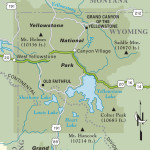
You probably already know something about what Yellowstone has in store for you: The one essential Yellowstone sight is Old Faithful Geyser, in the southwest quarter of the park. One of the world’s most famous natural features, Old Faithful is known for its clockwork eruptions, in which thousands of gallons of boiling water are sent over 100 ft (30 m) into the air, forming a column of steam. Hundreds of people line up around the geyser waiting for it to blow, and rangers are able to predict it with a good deal of accuracy—the visitors center will list the expected times of the day’s eruptions, which occur every 68 to 94 minutes and last for another 1.5-5 minutes.
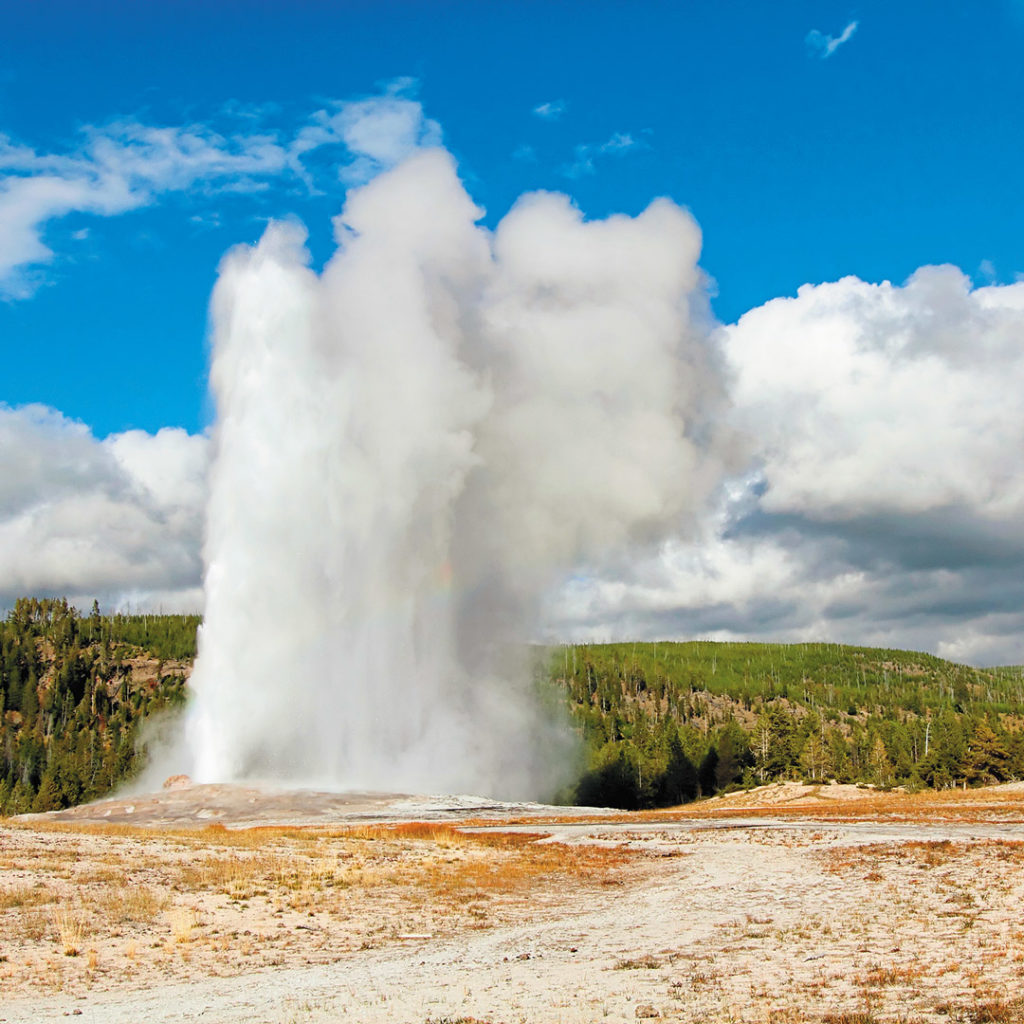
In between eruptions, visit the impressive Old Faithful Visitor Education Center, opened in August 2010, or wander around the other features of the Old Faithful basin. These include a number of other geysers (the Old Faithful area has the greatest concentration in the world), as well as colorful pools and other geothermal features, all linked by well-marked boardwalks and trails along the Firehole River.
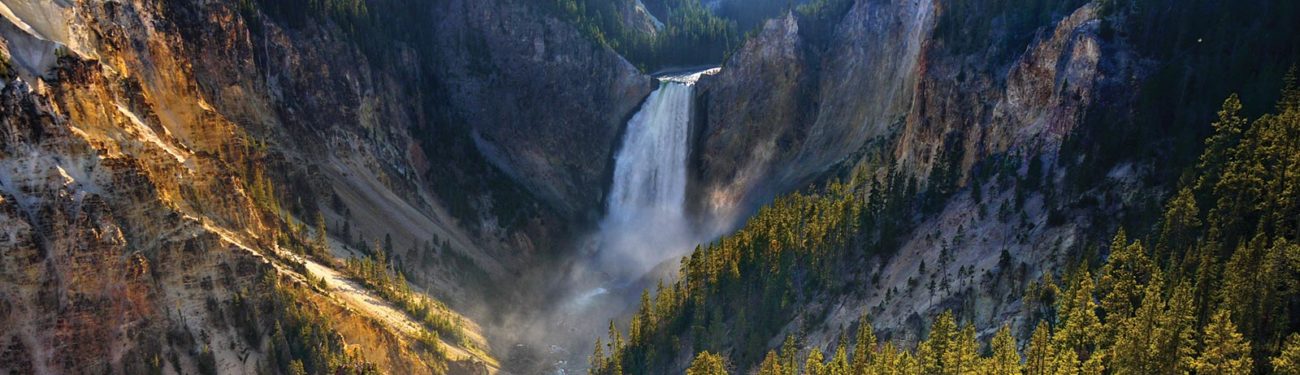
The other main sight is the Grand Canyon of the Yellowstone River, where a pair of powerful waterfalls cascade into a more than 20-mi-long (32-km), half-mile-wide (0.8-km), and more than 1,000-ft-deep (305-m) canyon of eroding yellow stone. Parking areas line the north and south rims of the canyon, allowing access to trails along the edge of the gorge. A personal favorite is Uncle Tom’s Trail, leaving from the south side of the falls. More a staircase than a trail, this route zigzags steeply down the walls of the canyon, bringing you face to face with the falls. Farther along the south rim is Artist’s Point, which gives the classic view of the canyon. Also, two “Brink of the Falls” routes lead from the north side down to where the waters plunge.
Beyond these two main attractions, there are many more to see, so explore the visitors centers and talk to the rangers to find out what other wonders await. Covering more than 2.2 million ac (890,300 ha), Yellowstone is a big place, plenty big enough to absorb the many tourists who come here during the peak summer season. Whatever you do, don’t try to see it all in a day or two; if time is tight, choose one or two places and spend all your time there. Get out of the car, hike a few trails, and enjoy.
Visit our blog to explore Yellowstone on a driving tour.
Where to Stay in Yellowstone
The $35 entry fee for each noncommercial vehicle covers seven days, opt for an annual pass for $70 to visit nearby Grand Teton National Park. (The America the Beautiful Annual Pass is a better value at around $80—it offers admission to all National Parks and Federal Recreational Lands for an entire family for a full year.) Yellowstone’s visitor facilities book up well in advance (sometimes up to a year), so if you want the complete experience, it’s best to plan ahead as much as possible.
Accommodations are the main thing you ought to sort out as soon as you can, as bed space is at a premium. The first choice is the wonderful Old Faithful Inn, next to the famous geyser. Built of split logs and huge boulders and exuding rough-hewn elegance, this delightful inn was completed in 1904. Rooms in the old lodge, without baths, start at about $210. A newer wing has larger rooms and modern conveniences for around $430-1,070 a night—some of these rooms have Old Faithful views. Another historic lodge, at Yellowstone Lake, is plusher but architecturally less distinctive. A half-dozen other inns, cabins, and motels are scattered around the park, including Dunraven Lodge near the canyon, and the year-round Snow Lodge near Old Faithful, accessible in winter only by tank-like snow cat from West Yellowstone. All rooms are handled through park concessionaire Xanterra (307/344-7311), which also handles reservations for the historic open-topped Yellow Bus tours and the park’s campgrounds, most of which operate on a first-come, first-served basis and tend to fill up by noon daily.
Places to eat include the usual cafeteria-type restaurants at all of the park’s hotels and lodges, plus a truly remarkable restaurant at the classic Old Faithful Inn, with a three-story log-cabin dining room and food that’s as good as it gets in the national parks.
You’ll find gas stations, gift shops, and general stores at just about every road junction in the park. There are ranger stations at most main features and large visitors centers (307/344-7381) at Mammoth Hot Springs, Old Faithful, and the Canyon.
Related Yellowstone Travel Guides
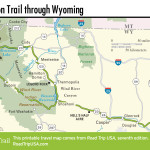
Travel Maps of Wyoming and Yellowstone