


El Camino Real and the California Missions
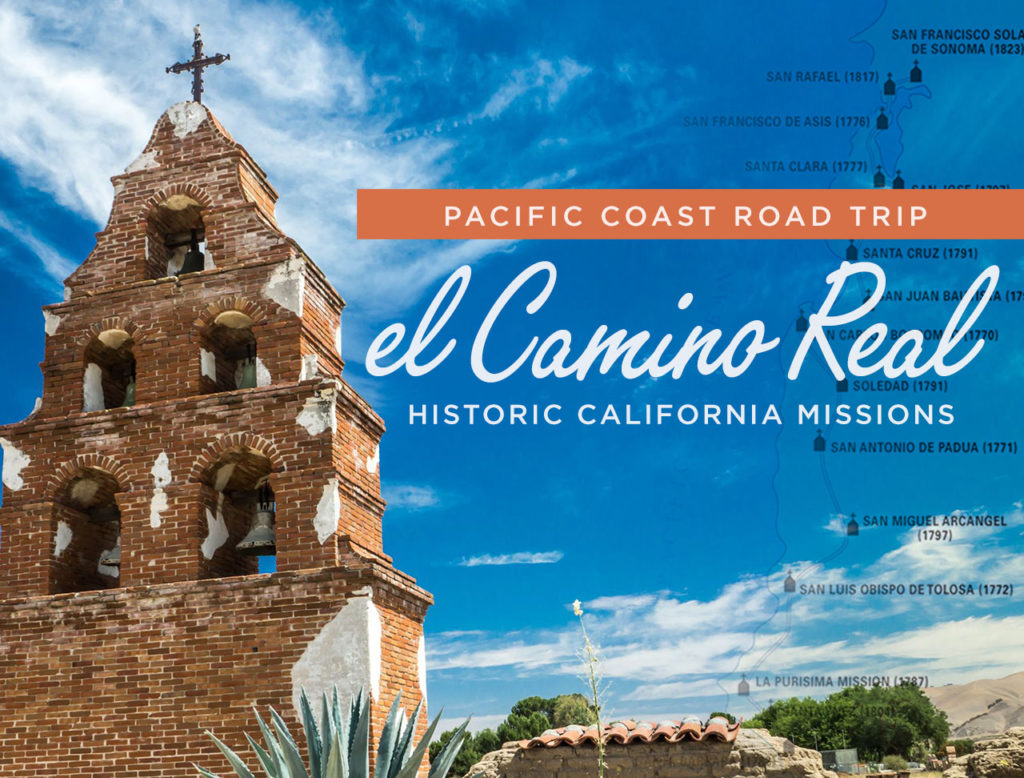
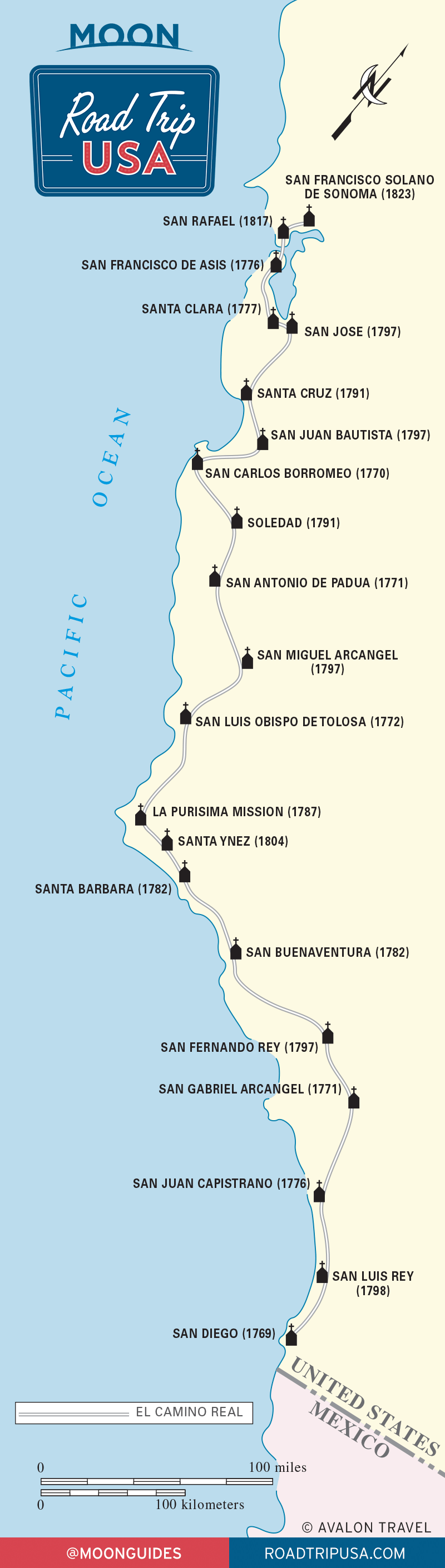
While the American colonies were busy rebelling against the English Crown, a handful of Spaniards and Mexicans were establishing outposts and blazing an overland route up the California coast, along the New World’s most distant frontier. Beginning in 1769 with the founding of a fortress and a Franciscan mission at San Diego, and culminating in 1823 with the founding of another outpost at what is now San Francisco, a series of small but self-reliant religious colonies was established, each a day’s travel apart and linked by El Camino Real, the King’s Highway, a route followed roughly by today’s US‑101.
Nine of the most interesting missions are listed here, north to south, followed by the dates of their founding and a map of the El Camino Real.
California Missions for Road Trippers
-
San Francisco Solano (1823)
The only mission built under Mexican rule stands at the heart of Sonoma, a history-rich Wine Country town. Mission San Francisco Solano makes an easy detour from San Francisco along the Loneliest Road route.
-
San Juan Bautista (1797)
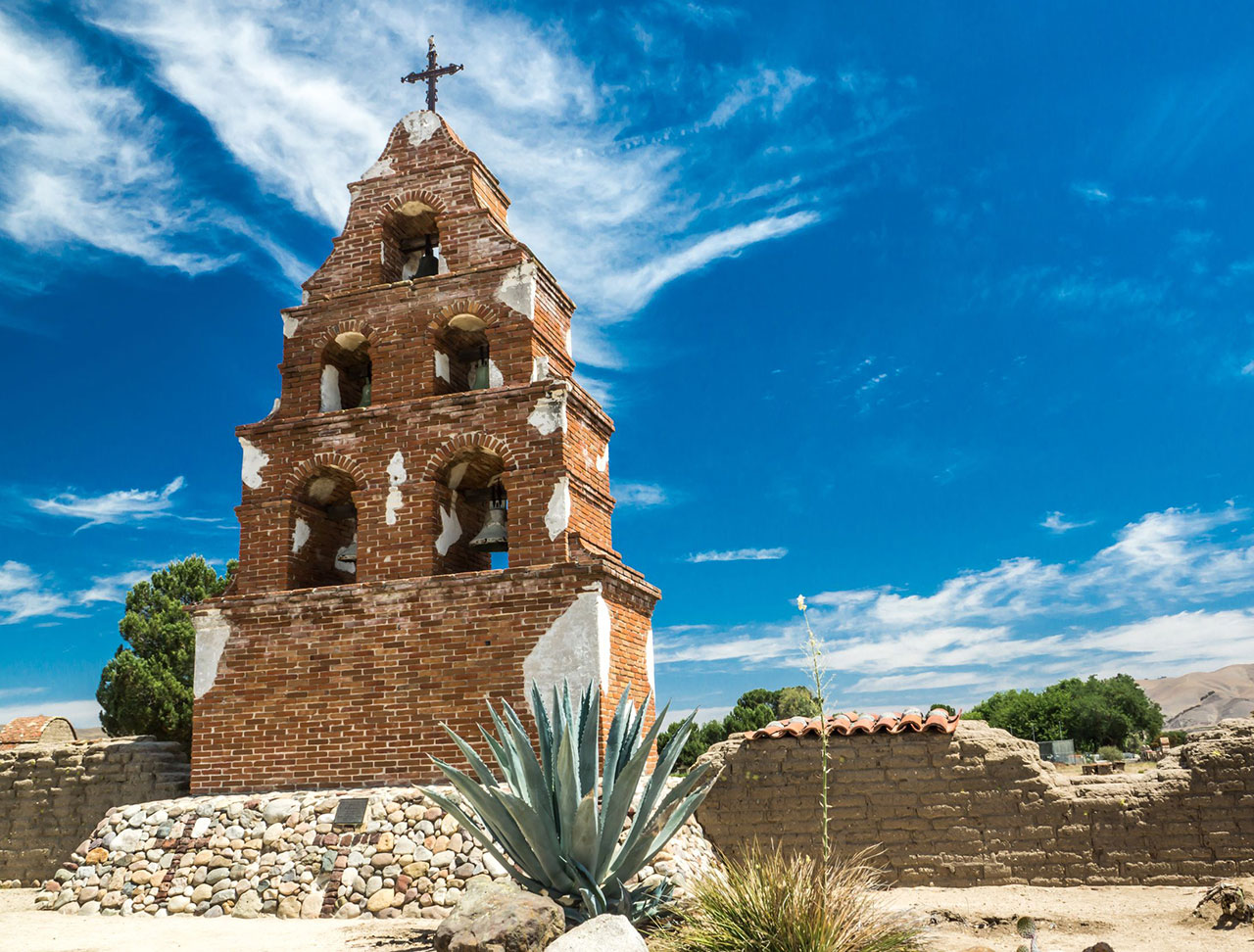
This lovely church forms the heart of an extensive historic park. Visit Mission San Juan Bautista in San Juan Bautista on the Pacific Coast route.
-
San Carlos Borromeo de Carmelo (1771)
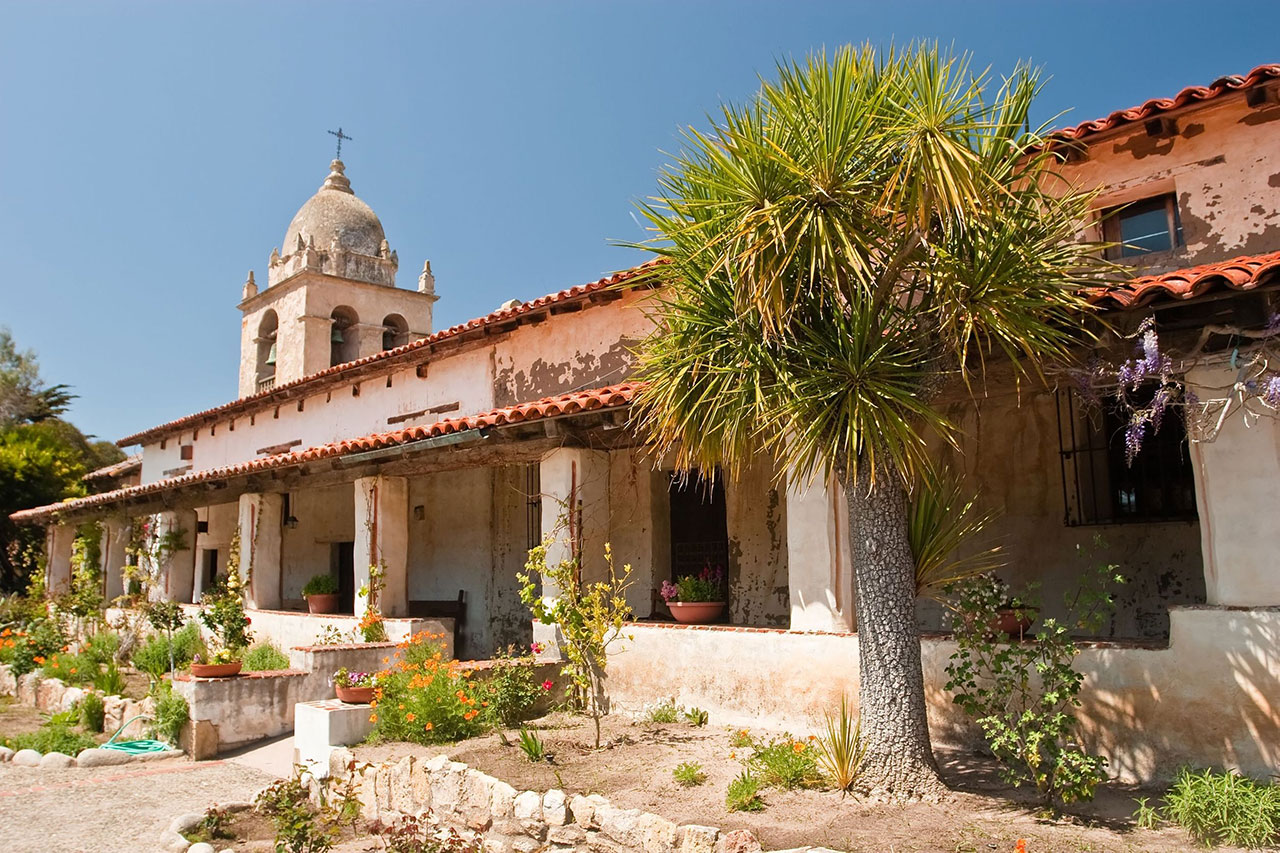
Also known as Carmel Mission, this was the most important of the California missions. Visit Carmel on the Pacific Coast route. http://www.carmelmission.org/
-
San Antonio de Padua (1771)
This reconstructed church, still in use as a monastery, stands in an undeveloped valley inland from Big Sur in the middle of Fort Hunter Liggett Army training center. Monks still live, work, and pray here, making for a marvelously evocative visit. Stop at Mission San Antonio de Padua at Pacific Coast.
-
San Miguel Arcángel (1797)
This is the only mission not to have undergone extensive renovations and restorations—almost everything, notably the vibrantly colorful interior murals, is as it was. http://www.missionsanmiguel.org/
-
La Purisima (1787)
A quiet coastal valley is home to this church, which was restored in the 1930s using traditional methods as part of a New Deal employment and training project. http://www.lapurisimamission.org/
-
Santa Barbara (1786)
Called the Queen of the Missions, this lovely church stands in lush gardens above the upscale coastal city. http://www.santabarbaramission.org/
-
San Gabriel Arcángel (1771)
Once the most prosperous of the California missions, it now stands quietly and all but forgotten off a remnant of Route 66 east of Los Angeles. http://www.sangabrielmissionchurch.org/
-
San Juan Capistrano (1776)
Known for the swallows that return here each year, this mission has lovely gardens. http://www.missionsjc.com/
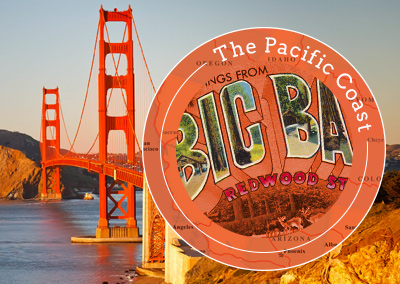
Historic El Camino Real Map
Related Travel Guides